For You•••
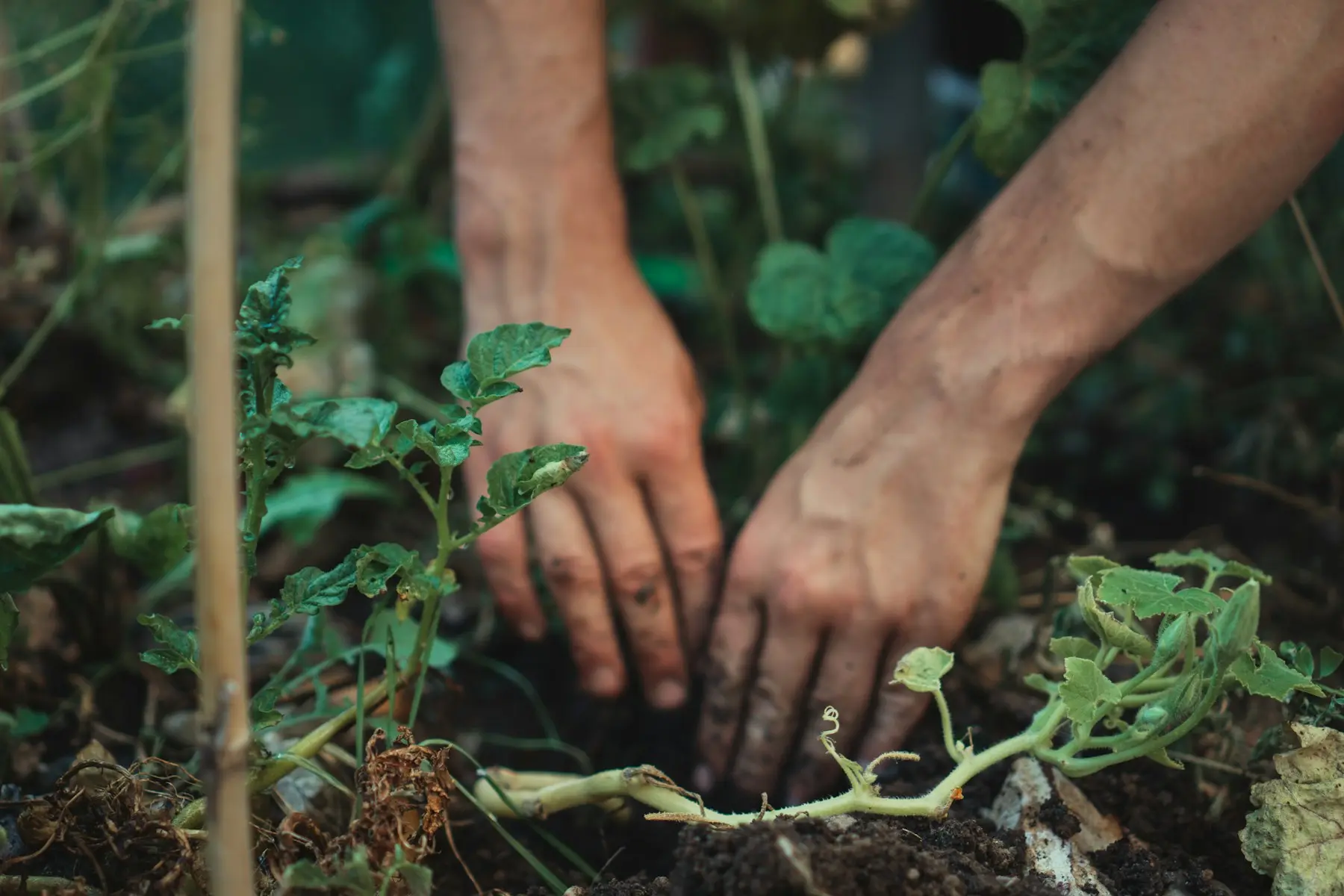
GROWING TOGETHER / EXAMPLEWait. Look what’s
Wait. Look what’s
living in this soil.
#SoilTok #NoDig
WATCH TO THE END
An insight into social media, culture and change
How social feeds shape what we see, what we share
and what we come to believe.

01 / Beyond the people who already believe
Another conference. Another compelling solution. Another room full of people who already agree.
For climate leaders, philanthropists and people working on systems change, the scene is familiar. The work may be extraordinary. Outside that room, it barely travels.
A solution needs more than the people who built it. It needs people willing to understand it, trust it and make it part of their lives. Creating those conditions is part of the work.
02 / Where attention actually moves
active social media user identities worldwide
April 2026 · includes multiple accounts per person [1]Open the same app beside someone else. You may be entering different cultural worlds.
From the social graph to the interest graph
Following still matters. Recommendation systems add another route: content from people you have never met, selected because the platform predicts you may want to watch it.
Relationships help determine what reaches you.
Behavior can connect you to unfamiliar creators.
A simplified comparison. Modern feeds combine relationships, inferred interests, content information and other signals. They also test unfamiliar content.
A small action becomes a signal.
You finish a soil experiment. Save a planting guide. Send a river-restoration clip to a friend. Those actions give a platform evidence about what may interest you next.
Interest media describes this mode of discovery. It does not require you to follow every creator whose work reaches you.
An interest can introduce you to a whole world beyond your existing network.
Illustrative posts, not actual creator screenshots. The switch compares discovery routes, not a simulation of any platform’s algorithm.#SoilTok #NoDig
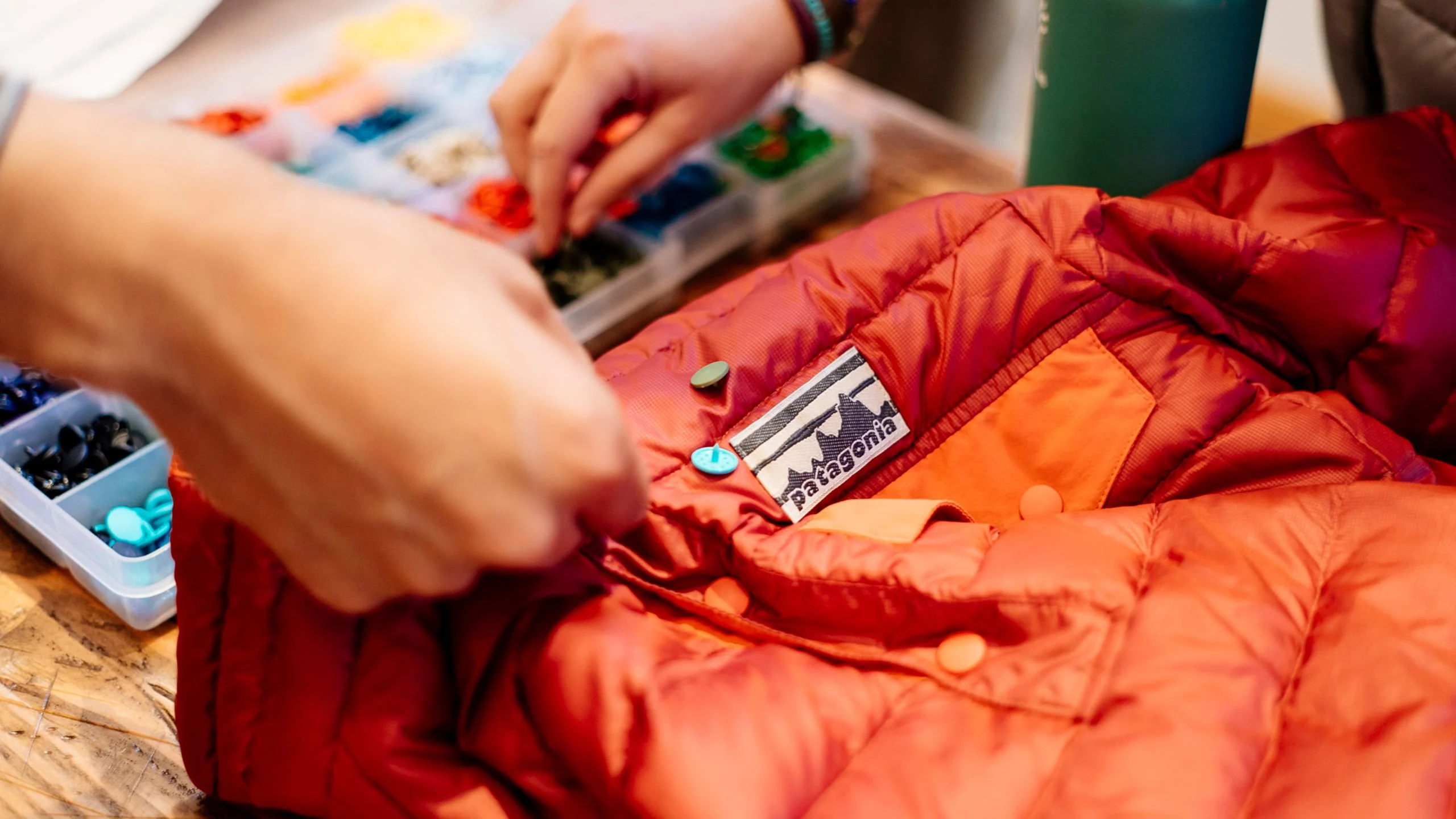
A repair worth saving.
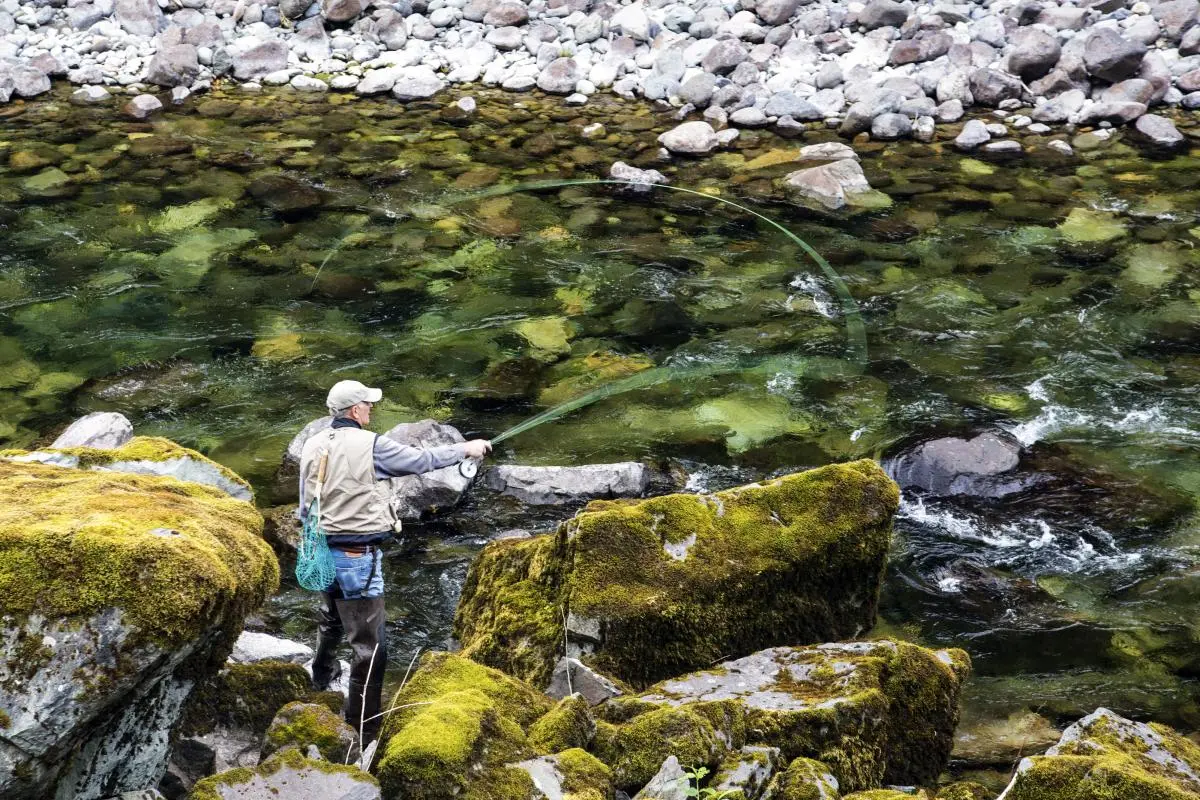
One place. A visible change.
Viewing, skipping and interactions help rank videos alongside content and user information.
How TikTok explains it ↗Instagram describes predictions including watching through, resharing and liking. Different surfaces use different ranking systems.
How Instagram explains it ↗Watch history, feedback and satisfaction surveys contribute. Recommendations aim beyond watch time alone.
How YouTube explains it ↗A full watch can mean fascination, confusion or outrage. A comment can be a recommendation or a warning. Engagement alone does not tell you which.
Platforms also apply safety, quality and satisfaction measures. Even so, a feed optimized to predict response is not a shared account of what is true, important or good for a community.
The intelligence inside the interest
Demographics describe people.
Culturegraphics helps explain the context
in which they choose.
Two people can share an age, income and location while learning from different creators, recognizing different jokes and expecting different kinds of proof.
Even a shared interest is only the beginning. A community has practices, references, relationships and disagreements. These shape what feels credible, useful or out of place.
A topic tells you what a video is about. A culturegraphic asks who gathers around it, what they do together and what makes something credible. “Gardening” is a topic. No-dig growers swapping soil tests, seasonal results and advice form a more specific cultural world.
What people do.
What needs no explanation.
Who has earned trust.
What people want or resist.
A person can participate in many cultures. A culture can contain disagreement.
03 / Look at what already travels
A hashtag is an entry point. The culture lives in the formats, references and conversations underneath it.
Memes, replies, remixes and recurring jokes let people recognize a shared experience quickly. To understand a community, look at what people repeat, how they adapt it and what earns a response.
A tearful reaction, a plot reenactment, a recommendation that starts with a familiar trope. The format helps another reader recognize the experience before knowing the creator.
TikTok’s account of #BookTok describes reaction videos helping bring renewed attention to They Both Die at the End, published in 2017. It also documents plot reenactments, writing advice and conversations moving into bookstores and libraries.
Explore the documented examples ↗POV: you finished
the book and now
need a support group.
MrBeast framed planting as a huge collective challenge. Mark Rober approached it through engineering and drones. The purpose was shared; each video gave its audience a familiar way in.
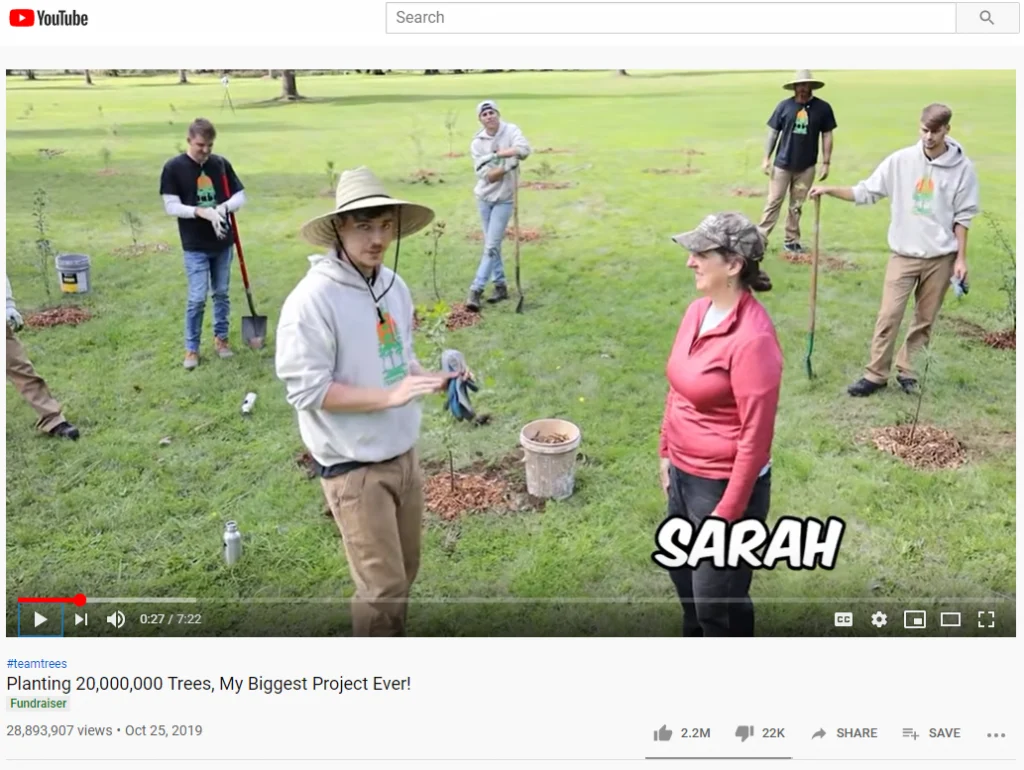 MrBeast
The entry point: spectacle, a shared target and an invitation to join.
Watch the original ↗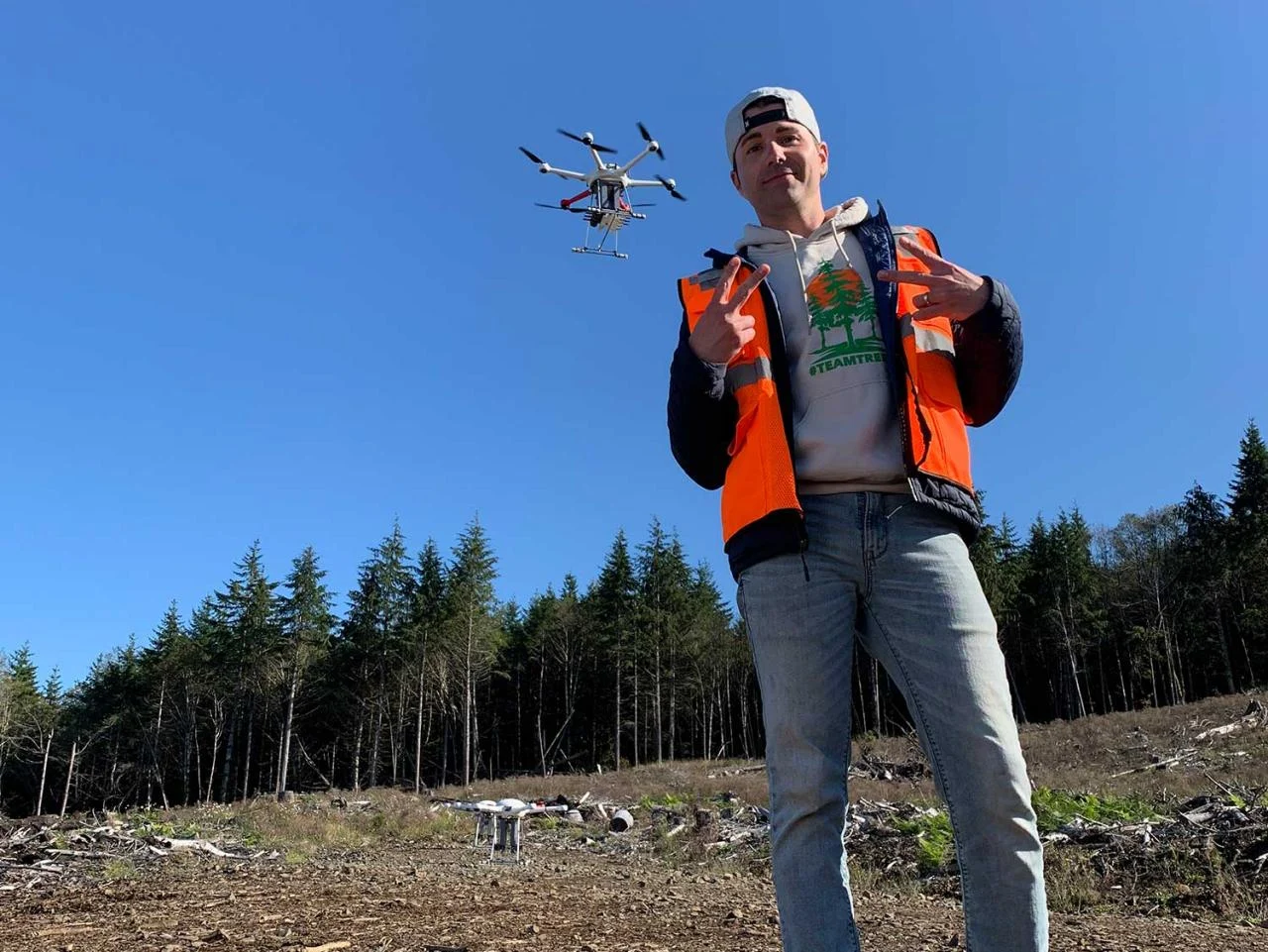 Mark Rober
The entry point: an experiment, a technical problem and a visible solution.
Watch the original ↗Arbor Day Foundation reported reaching the funding goal for 20 million trees. Our reading: creator trust, a legible action and a concrete goal helped attention become participation. This example illustrates narrative translation; it does not isolate the effect of recommendation algorithms.
Campaign outcome ↗
Change the conditions for change.
A policy needs support. A technology needs adoption. A regenerative practice needs a place in daily life. Culture helps shape those conditions. Institutions and material realities shape culture in return.
Work with the energy already moving.
Find where people already care.
Understand what it means.
Give the solution a way in.
Aikido offers a useful metaphor: work with existing energy and redirect it. For an impact organization, that means finding a truthful connection between the change you serve and a world people already choose to participate in.
The river someone fishes. The garden they tend. The trail they want their children to know. Each offers a different relationship to protecting the living world.
04 / Translate context, as well as language
The truth stays intact.
The story meets people where meaning already lives.
CHOOSE A COMMUNITY TO SEE THE STORY CHANGE
A habitat gardener sharing seasonal before-and-after Reels and answering local planting questions.
Plant a habitat patch. Share what returns.
Illustrative narrative directions. Community research informs the message, messenger and invitation.
Urgency matters. So do agency, enjoyment and the feeling that an action can make a difference. A stream of catastrophe can leave people unsure how to help.
An invitation rooted in something they love makes participation tangible. A gardener can create habitat. An angler can help restore a river. A hiking community can steward a trail.
The story becomes powerful when a real relationship leads to a real action. The work behind the message has to deserve the trust it asks for.
05 / Read the culture before writing the message
“How do we get
our message out?”
“Where does
our work meet
existing care?”
Choose a specific community and spend time with its creators, recurring formats and comment threads. Read disagreement as well as enthusiasm. A popular post can show what attracts attention; the responses help explain what people made of it.
Ask what the community treats as evidence. A grower may show a season of soil results. A repairer may show the stitches. An angler may compare a river before and after restoration. Credibility often lives in the practice, not the polish of the message.
Work with people who have earned a place in that world. Agree on what must remain true, what can be translated and what action the story makes possible. Then follow participation: people attending, contributing, returning or changing a practice. A view is a beginning, not evidence of impact.
Find existing care.
Read the context.
Shape a credible entry.
Learn from what happens.
Power requires purpose.
The ability to understand a community and shape what reaches it carries responsibility. Reach is one measure. Who benefits, what people are being asked to do and whether they have meaningful choice matter too.
Assess the organization, intent and likely harm. Refuse deception and exploitation.
Protect privacy. Preserve differences. Make participation valuable to the people involved.
Follow understanding, participation and the real outcome the work is meant to serve.
The work ahead
Narrative stewardship starts with that question. Understand where the story enters, why it matters there and what people can do with it. The responsibility continues after the attention arrives.
Revisit how the feed worksPhotography: Jonathan Kemper / Unsplash (gardening); Leslie Cross / Unsplash (forest trail); National Wild and Scenic Rivers System (Quartzville Creek); D. Hedden / Patagonia (repair); Culturas existing visual library. Images illustrate cultural contexts, not research participants or client outcomes.